
By Andrew Clunis
The reggae music industry has taken major hits in a a matter of weeks with the passing of several legends of the music. Most notable are Jimmy Cliff, Stephen “Cat” Coore and Sly Dunbar.
Decades of experience are no longer with us but it is safe to say that the music has evolved smoothly enough that the current generation was able to learn from the masters of the craft and reggae has a bright and viable future.
The innovations in technology have further catalyzed this evolution, allowing aspiring musicians to experiment in ways that were previously unimaginable. Sophisticated software and digital tools have democratized music production, making it accessible to anyone with a passion. While we may have lost some legends, their legacies resonate through the works of new artists who have taken inspiration from their sounds and storytelling.
This exchange of ideas has led to a rich tapestry of genres blending and morphing, creating fresh styles that reflect contemporary society. As music continues to evolve, so does the audience's perception and engagement with it.
Live performances are re-imagined with immersive technologies, connecting fans and artists in unprecedented ways. The spirit of collaboration thrives, reminding us that while the masters have shaped the journey, the path forward is illuminated by the voices of the young creatives carrying the torch. In this vibrant landscape, we see not only a fusion of sounds but also an expansion of narratives.
Veteran reggae professional Clive Hunt believes music is more interesting than ever before with the advancements in technology and shifts in creativity and those augur well for the future.
“The technological advancement is not new to the industry. Remember we are coming from the days of the piano where you would get one sound from the instrument. Now you have the keyboard that generates thousands of sounds and with the computer software that we have now everything is imaginable and doable.”
“Still you see a very interesting trend in reggae music because artistes who would once rely on the computer because of financial constraints are now returning to analog because they can afford to. They still have to rely on some amount of technology but they are really driving for authenticity.”

Clive Hunt
Clive has worked for over 51 years as a producer, musician, arranger and even vocalist. He says change is constant. “I don’t really fight against anything that is new and emerging. As long as artistes stay true to their craft there is so much that can be done. My main aim now is to teach the youths because when we have our legends passing on it is important that transfer happens and we who are still functional have a great role to play in that.”
He credits the work being done by the Edna Manley College for the Visual and Performing Arts. “I love what the teachers are doing. They are teaching them to be proficient in music. While there may not be much instruction in reggae the youths evolve very quickly and are able to make a career out of reggae music.”
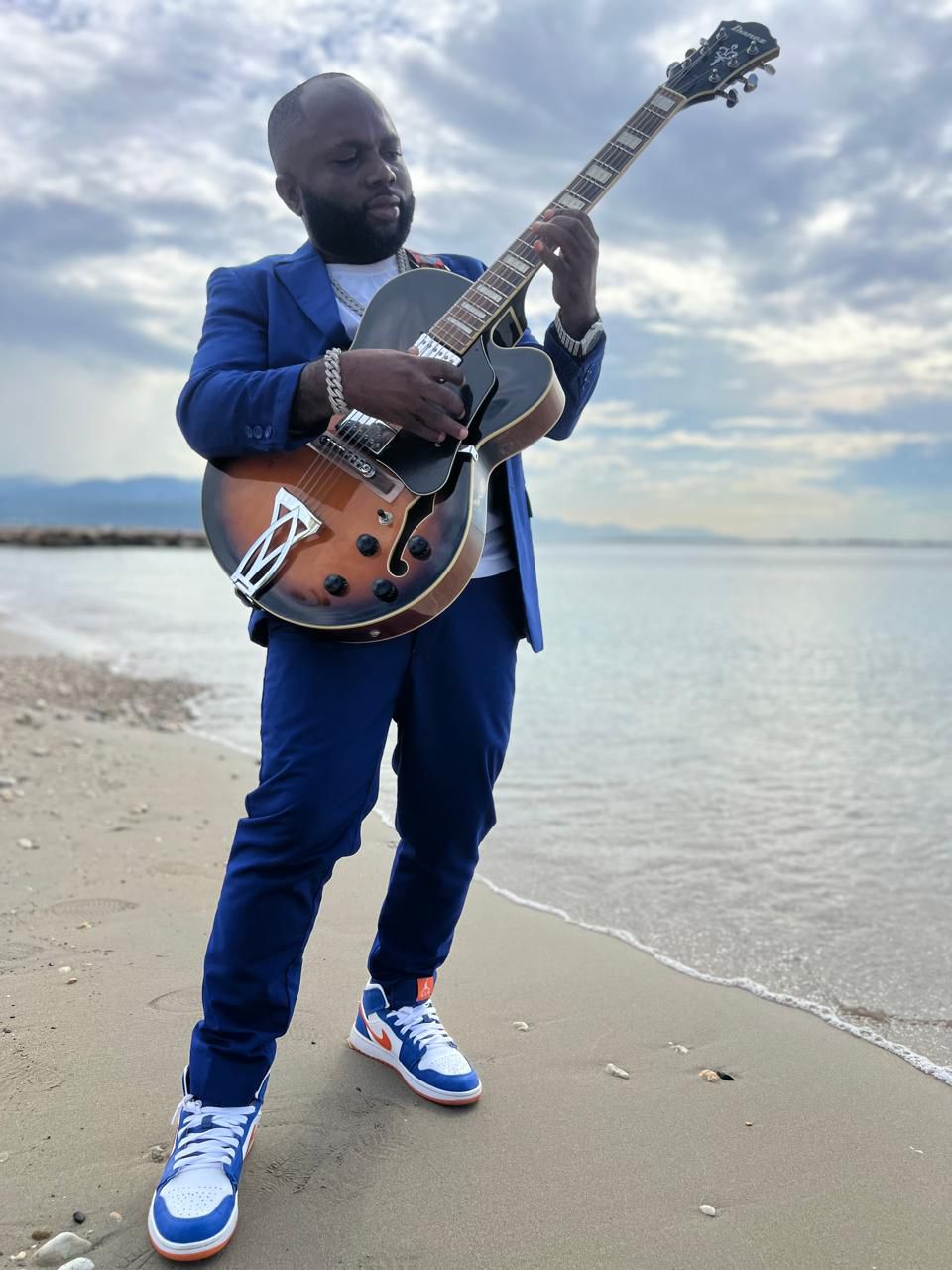
And one performer who has benefited from the work of the legends is Kenroy “Shortman” Mullings who plays guitar for Buju Banton and various other pick up bands. He has been described by many as the new Ernie Ranglin.
He credits Stephen “Cat” Coore for his inspiration noting that he learnt a lot from the late guitarist and cellist.
“My legend is Stephen Cat Coore from Third World. I always admired his soulful touch on the guitar. He is my Jamaican Carlos Santana. From the days of Edna Manley College I studied his solos. His approach is like a statement, a conversation. I am an example of how the music has passed on. They paved the way for us.”
On the use of technology he said: “Technology makes everything that much easier. Back in the day you had to spend hours in the studio and you had limited time to get a take right. Now you can stay at home and collaborate with other musicians from anywhere. The internet and the advancement of digital music software is amazing.”
At 39 years old he says with him and others like him the future is very bright for reggae music. “There are a lot of young singers coming through and young producers are now distributing their music from their homes without relying on a record label. There is so much music to be made and I think our generation is up to the task.”
Lyrics now often tackle pressing societal issues, weaving personal experiences with broader cultural conversations. This shift emphasizes authenticity, encouraging artists to share their vulnerabilities and truths, making their music resonate on a more profound level with listeners.
Moreover, social media platforms have transformed how music is discovered and consumed. Emerging artists can showcase their talent to a global audience overnight, bypassing traditional gatekeepers. The influence of viral trends and challenges has further shaped the industry, pushing genres beyond their historical confines and redefining what constitutes success.
Amidst these changes, mentorship remains vital. Established artists actively engage in nurturing young talent, creating a sense of community that enriches the art form. Workshops, online tutorials, and collaborative projects are more prevalent, fostering an environment where knowledge is shared freely. This amalgamation of tradition and innovation underscores a promising future for the music industry, where creativity knows no limits and every voice can find its echo.