
Who invented reggae music?
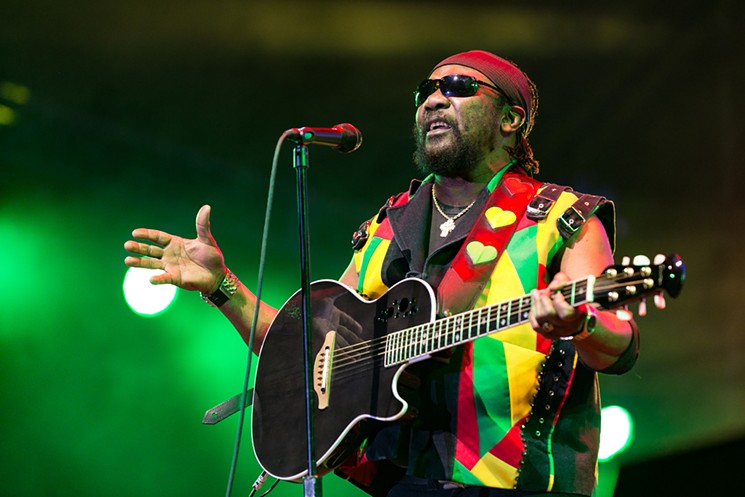
Well it depends on who you talk to. It’s all oral history and the storyline gets blemished as time trods on. But it’s not inconceivable that it was Toots Hibbert and if that were truly the case, that accolade would have been well deserved.
Jamaican music industry leaders have always taken a laissez faire approach to documentation so while there are many oral accounts of the music’s genesis and history, many of them remain fabled.
Some say it was Toots Hibbert who first used the word in the song “Do The Reggay” for Beverley’s and Pyramid Records in 1968. Others say it was Stranjah Cole with the song “Bangarang”.
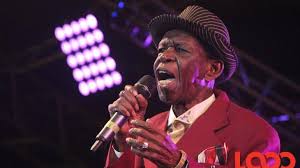
Stranjah Cole
“Do The Reggay” was the first popular song to use the word reggae and defined the developing genre by using its name. At that time reggae had been the name of a passing dance craze in Jamaica but the song’s connection of the word with the music itself led to its use for the style of music that developed from it.
Toots told the BBC that the word was a slang for people who were shabbily dressed or looked unkempt. Rastafarians were often regarded that way because of their locked hair and unshaven facial hair.
Reggae became synonymous with Rastafari a religion that sprung from the harsh realities of the downtrodden and oppressed in Jamaica. Rastafari acknowledges Emperor Haile Selassie I of Ethiopia as their God and King. The spiritual foundations of reggae intertwine with the roots of Rastafari although Jamaican music had long taken form before the advent of Selassie I.
Indigenous Jamaican music was born out of the African retentions from slavery and so early forms like mento gave rise to ska which then morphed into rocksteady and a few changes in the beat led to reggae; a more moderate tempo that fit the international marketplace well. Reggae then spawned dancehall which has been hugely successful and influential globally. Dancehall then gave rise to hip hop and many other variations including trip hop, ragga, reggaeton and many other offspring.
Whatever the origin of reggae, it is certain that no one who was involved during the pioneering days had any clue as to what reggae music would have become in the world today.
There is no corner of the earth where reggae music isn’t heard and appreciated. From 150,000 fans strong festivals in Europe to stadiums in Africa and Asia, reggae’s statement is big and bold thanks to the works of legends like Bob Marley and Jimmy Cliff.
Reggae's influence transcends geographical borders and cultural barriers, infusing diverse music styles with its distinctive rhythm and message. The genre inspires movements for social justice and human rights, resonating deeply with audiences who seek empowerment and unity.
Artistes like Beres Hammond, Damian Marley and Protoje carry the torch, innovating while honoring their roots, and drawing the attention of contemporaries and younger generations eager to embrace this rich musical heritage.
Festivals now celebrate not just the music but also a sense of community, where fans from all walks of life come together in harmony. Moreover, the rise of digital platforms allows reggae to reach even more fans, ensuring its legacy continues to thrive in the modern age, bridging gaps between the past and the future.
As reggae evolves, collaborations across genres become more frequent, creating a vibrant tapestry of sound that captivates listeners worldwide. The fusion of reggae with hip-hop, pop, and electronic music not only revitalizes classic tracks but also invites new interpretations that resonate with contemporary audiences. Moreover, the visual artistry accompanying reggae—through music videos and live performances—has become increasingly elaborate, showcasing joyful expressions of culture and the unifying spirit of the music.
The impact of reggae also extends beyond entertainment, as it has become a vehicle for promoting messages of peace, love, and resilience. Artistes are increasingly using their platforms to tackle pressing social issues, addressing topics like climate change, inequality, and mental health. By infusing their work with these critical themes, they inspire movements that echo the genre’s foundational ethos.
Communities globally recognize the power of reggae to foster dialogue and connection.
Events such as Reggae Month in Jamaica celebrate the genre’s rich history, while educational initiatives aim to teach young people about its significance. In this atmosphere of celebration and awareness, reggae stands not only as a musical genre but as a cultural phenomenon that embodies the struggles and aspirations of people worldwide, continuing to resonate with heart and soul, no matter where the beat is played.
This shared appreciation for reggae has also led to the establishment of international awards and recognitions that highlight the genre's global reach and impact. Events like the International Reggae and World Music Awards (IRAWMA) celebrate artists from various countries, reinforcing the notion that reggae is not confined to its Jamaican roots but has become a universal language for love and protest. As artistes from different backgrounds interpret reggae influences, new hybrids spring forth, further enriching the genre's tapestry. The Reggae Grammy Award for Album of the Year is a much coveted prize and a symbol of arrival. Increasingly younger and less known artistes like tyhis year’s winner Keznamdi are vying for and winning the award. The playing field has been leveled somewhat.
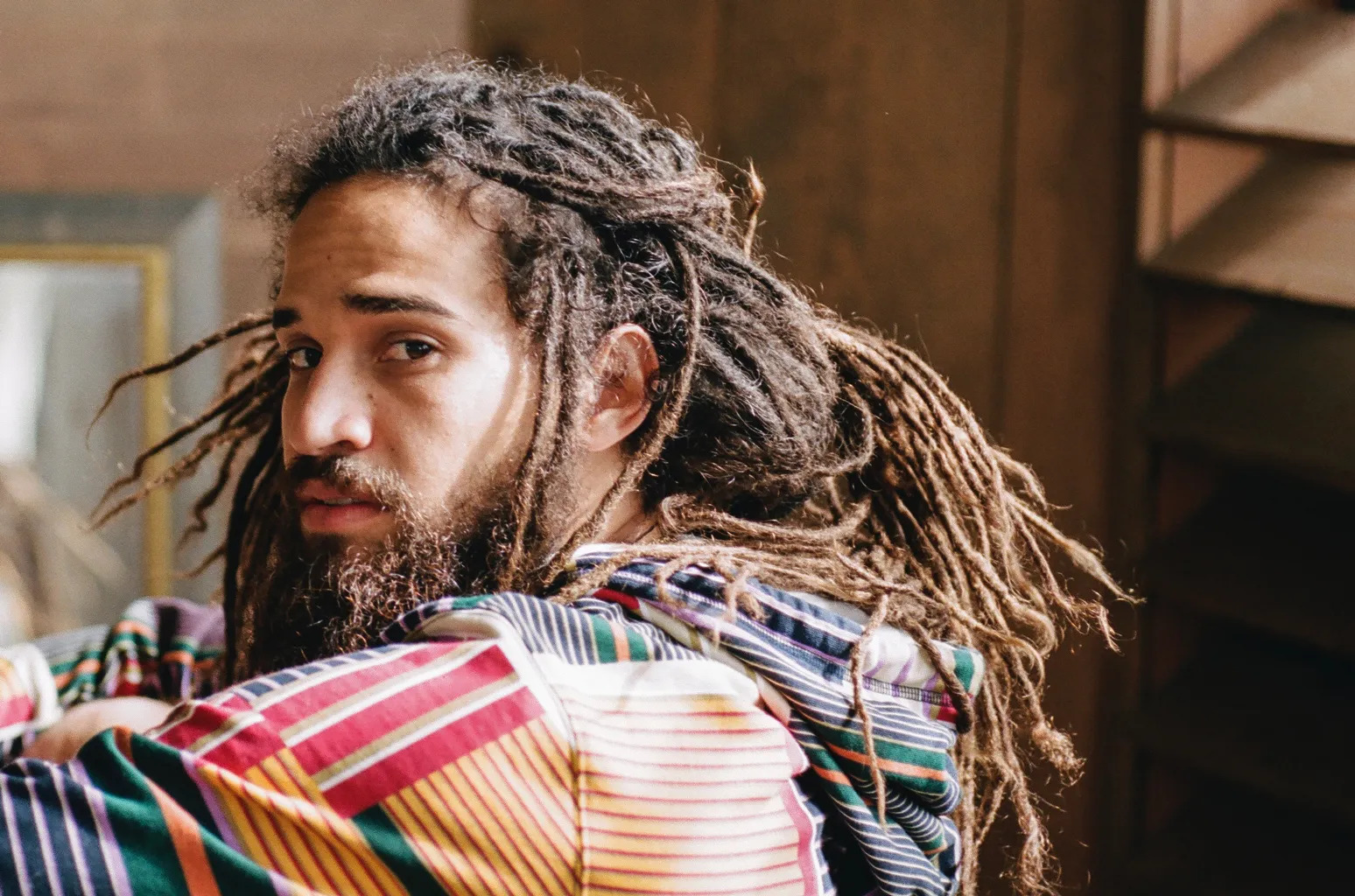
Keznamdi
Grassroots initiatives, too, play a vital role in preserving reggae's legacy. Workshops and community gatherings offer aspiring musicians the tools and knowledge to express their own experiences through reggae's signature sound. These local efforts are crucial in sustaining the genre’s authenticity while encouraging innovation, ensuring that the next generation of artists can continue to tell their stories and speak their truths.
Moreover, the rise of social media has made it easier for reggae music to find its way into everyday conversations. Fans share their favorite tracks, discuss lyrics that resonate with them, and connect over shared experiences influenced by the music. Famous reggae quotes and messages of unity often go viral, reaffirming the genre’s deeply philosophical roots.
As reggae marches forward into the future, embracing technology and new influences while staying firmly grounded in its historical context, it is clear that the drumbeats, guitar strums, and soulful vocals will endure as a powerful force for change, creativity, and connection across the globe. Each note continues to echo the promise of a brighter and more harmonious future.